
Assisting the Assistant: Proven Strategies to Manage Your Virtual Assistant Effectively
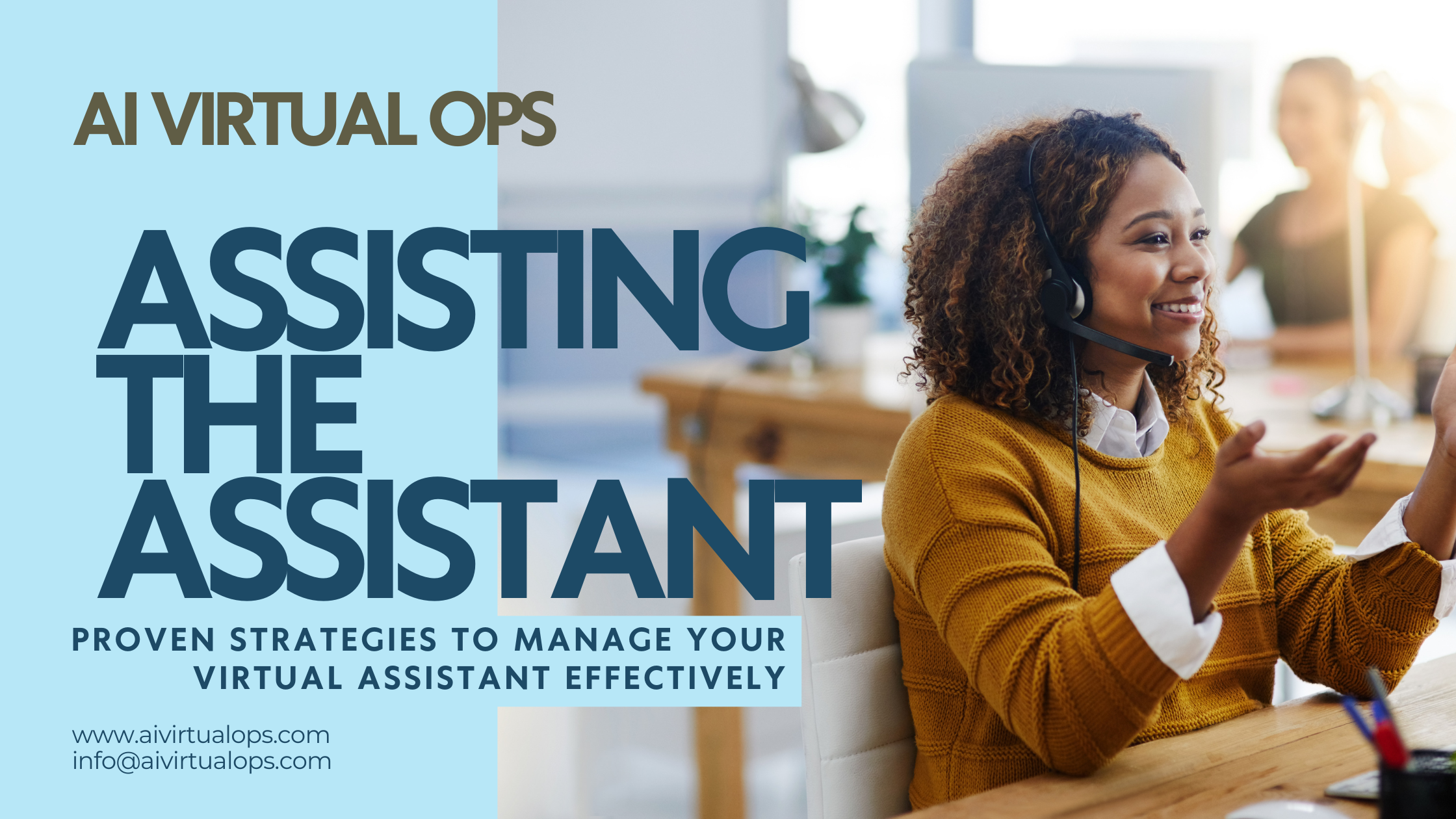
In today’s fast-paced, digitally-driven business world, where agility and scalability are paramount, virtual assistants (VAs) have transitioned from a luxury to indispensable strategic assets for entrepreneurs, burgeoning small businesses, and sprawling multinational corporations alike. The relentless demands of modern commerce, coupled with the need for cost-effective solutions, have propelled VAs into the spotlight, offering a flexible and adaptable workforce that transcends geographical limitations.
However, simply hiring a VA is not a guaranteed recipe for success. The true power lies in effectively managing and nurturing this remote partnership to unlock its full potential. Managing a VA effectively ensures not only enhanced productivity and streamlined efficiency but also fosters sustainable business growth by allowing entrepreneurs and leaders to focus on core strategic initiatives.
This comprehensive guide delves into the intricate nuances of optimizing your relationship with your virtual assistant, providing a roadmap to navigate the complexities of remote collaboration. We will explore a curated collection of best practices, actionable strategies, and cutting-edge tools designed to empower you to:
- Clearly define roles and responsibilities: Ensuring alignment and minimizing ambiguity.
- Establish robust communication channels: Fostering transparency and timely feedback.
- Implement effective project management systems: Tracking progress and ensuring accountability.
- Leverage technology to streamline workflows: Maximizing efficiency and minimizing redundancies.
- Cultivate a culture of trust and collaboration: Building a strong, mutually beneficial partnership.
- Provide constructive feedback and continuous training: Empowering your VA to excel.
- Measure performance and track key metrics: Quantifying the impact of your VA's contributions.
- Understand the legal and ethical considerations of remote work: Ensuring compliance and responsible management.
By mastering these principles, you can transform your virtual assistant into a valuable extension of your team, driving your business towards unprecedented levels of productivity and success. This guide will equip you with the knowledge and tools necessary to navigate the dynamic landscape of virtual assistance, ensuring a seamless and productive partnership that fuels your business's growth trajectory.
Why Effective VA Management Matters
Effectively managing a virtual assistant (VA) is not just about assigning tasks; it's about building a productive, collaborative partnership that directly impacts your business's success. Poor management leads to wasted resources, frustration, and missed opportunities. Conversely, well-managed VAs become invaluable assets, freeing up your time for strategic growth.
1. Setting Clear Expectations
- Detailed Documentation: Go beyond basic task descriptions. Create comprehensive standard operating procedures (SOPs) for recurring tasks. This ensures consistency and reduces the need for repeated explanations.
- Visual Aids: Utilize flowcharts, diagrams, or screen recordings to visually illustrate complex processes. This helps VAs quickly understand and execute tasks accurately.
- Realistic Expectations: Understand the VA's skill level and capacity. Don't overload them with unrealistic workloads or expect them to perform tasks outside their expertise.
- Cultural Considerations: If your VA is located in a different country, be mindful of cultural differences in communication styles and work ethics.
- Regular Reviews of Expectations: As your business evolves, so will your needs. Review and update expectations periodically to ensure alignment.
2. Leveraging the Right Tools
- CRM Integration: Integrate your customer relationship management (CRM) system with project management tools to streamline data flow and improve customer service.
- Password Management Tools: Implement secure password management tools like LastPass or 1Password to protect sensitive information.
- Automation Tools: Explore automation tools like Zapier or IFTTT to automate repetitive tasks and workflows, further boosting efficiency.
- Screen Sharing and Recording Tools: Utilize tools like Loom or Screencastify for clear communication and training purposes.
- File Sharing and Collaboration Tools: Use cloud-based platforms like Google Drive or Dropbox for seamless file sharing and collaboration.
3. Establishing Effective Communication Practices
- Preferred Communication Channels: Establish clear guidelines on which communication channel to use for different types of messages (e.g., Slack for quick updates, email for formal communication).
- Asynchronous Communication: Embrace asynchronous communication when possible, allowing VAs to work flexibly across time zones.
- Active Listening: Pay attention to your VA's concerns and feedback. Respond thoughtfully and address any issues promptly.
- Video Calls: Utilize video calls for important discussions or complex instructions to establish a stronger connection and minimize miscommunication.
- Documented Communication: Keep a record of important communications, decisions, and instructions for future reference.
4. Providing Training and Development Opportunities
- Tailored Training: Identify specific skill gaps and provide targeted training to address them.
- Mentorship Programs: Pair experienced VAs with newer ones to facilitate knowledge sharing and mentorship.
- Industry-Specific Training: Provide access to industry-specific resources and training to keep VAs up-to-date with the latest trends and best practices.
- Internal Knowledge Base: Create a centralized knowledge base or wiki containing company policies, procedures, and resources.
- Encourage Self-Learning: Support VAs in pursuing self-directed learning by providing access to online courses and resources.
5. Tracking Performance and Offering Constructive Feedback
- 360-Degree Feedback: Gather feedback from multiple sources, including clients, colleagues, and other team members, to provide a comprehensive performance evaluation.
- Real-Time Dashboards: Utilize project management tools to create real-time dashboards that track key performance indicators (KPIs) and provide instant visibility into VA performance.
- Focus on Strengths: While addressing areas for improvement, also highlight the VA's strengths and accomplishments.
- Specific and Actionable Feedback: Provide specific examples and actionable suggestions for improvement.
- Regular One-on-Ones: Schedule regular one-on-one meetings to discuss performance, address concerns, and provide ongoing feedback.
6. Delegating Tasks Effectively
- Task Breakdown: Break down large tasks into smaller, manageable steps.
- Clearly Defined Deliverables: Ensure that the VA understands the expected outcome and deliverables for each task.
- Provide Context: Explain the purpose and importance of each task to help the VA understand its impact on the overall business goals.
- Empowerment and Autonomy: Give VAs the autonomy to make decisions and take ownership of their work.
- Allow for Questions: Create a safe space for VAs to ask questions and seek clarification.
7. Building a Long-Term Working Relationship
- Recognition and Appreciation: Regularly acknowledge and appreciate the VA's contributions.
- Team Integration: Integrate VAs into the team by including them in team meetings and social events.
- Competitive Compensation: Offer competitive compensation and benefits to attract and retain top talent.
- Career Growth Opportunities: Provide opportunities for career advancement and professional development.
- Flexible Work Arrangements: Offer flexible work arrangements to accommodate the VA's needs and preferences.
- Celebrate Milestones: Celebrate team and individual milestones to foster a sense of community and belonging.
- Open and Honest Communication about business health: If business is going through rough times, or experiencing great success, sharing that information builds trust.
By implementing these expanded strategies, you can create a thriving virtual team that contributes significantly to your business's success.
Conclusion
Managing a virtual assistant effectively requires more than just assigning tasks; it demands a strategic approach that blends clear communication, structured workflows, and the intelligent use of the right tools. By setting crystal-clear expectations, strategically leveraging technology tailored to your needs, and fostering a strong, mutually respectful working relationship, businesses can not only maximize immediate productivity but also cultivate an environment that fuels long-term success and sustainable growth.
Related Article: