
Building a Sustainable Legacy: Reflections on Black History Month in Business
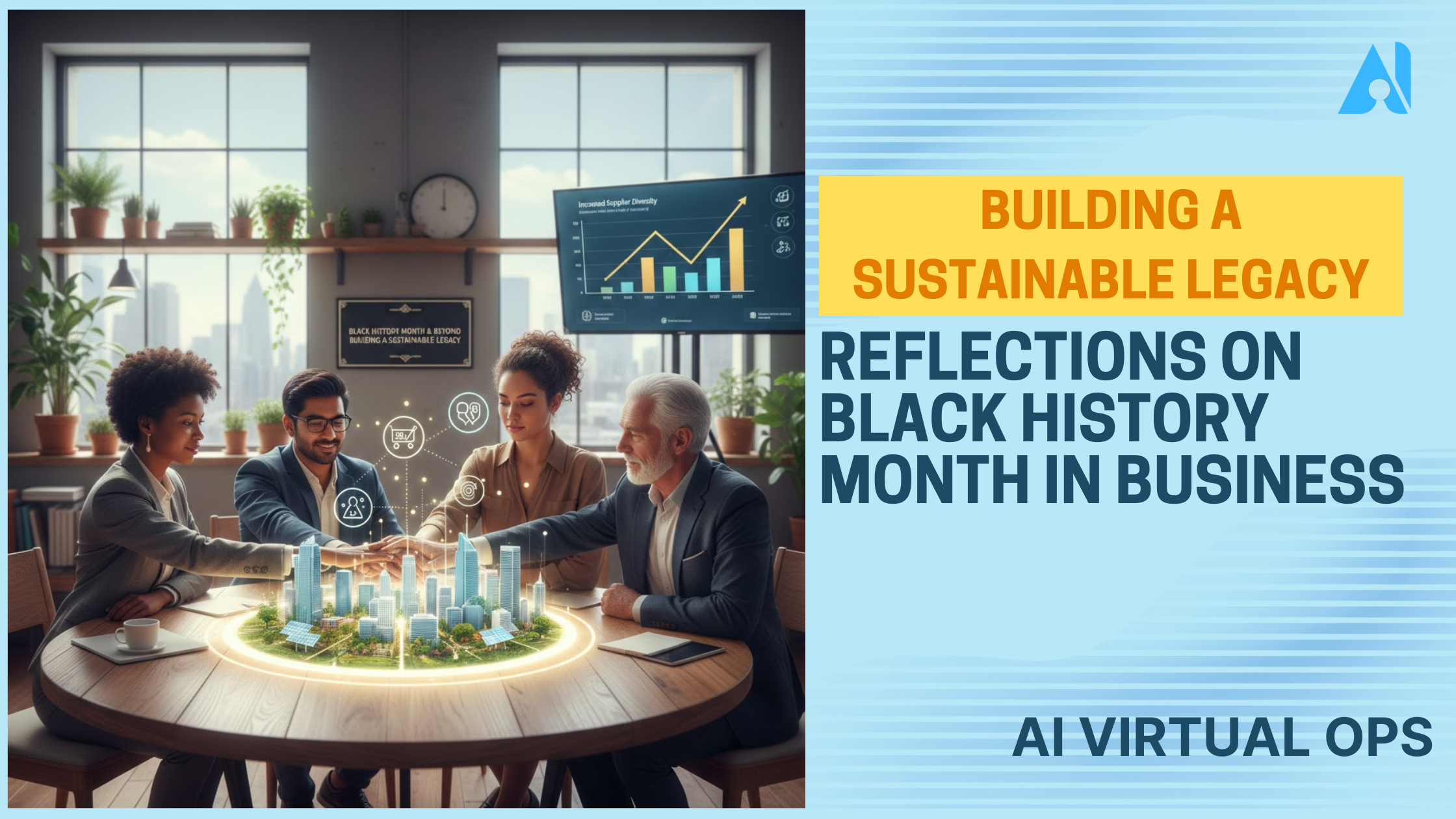
Black History Month, observed every February, is a time for reflection, celebration, and a renewed commitment to justice and equity. While its origins lie in honoring the past, its spirit undeniably calls us to shape a more inclusive future. For business owners, this isn't just a cultural observation; it's a critical moment to examine how we build sustainable legacies that genuinely uplift all communities, particularly those that have historically faced systemic barriers.
This past month, as we recognized the profound contributions of Black individuals throughout history, it’s imperative that we translate that recognition into actionable strategies within our own organizations. It’s about moving beyond performative gestures and embracing tangible changes that foster true economic empowerment and representation.
The Landscape: Challenges and Opportunities for Black Entrepreneurs
The narrative of Black entrepreneurship is one of immense resilience and innovation, often against formidable odds. Data consistently highlights the disparities that persist. A 2021 report by the Federal Reserve, for instance, revealed that Black-owned businesses were twice as likely to be denied loans than white-owned businesses, even with similar credit scores. This funding gap is a significant hurdle, limiting growth and scalability.
Beyond capital, access to networks, mentorship, and equitable market opportunities remain crucial. Historically, Black entrepreneurs have been excluded from the very networks that often propel businesses forward. This isn't just about individual prejudice; it's about systemic structures that have created and maintained these imbalances.
However, the landscape is also ripe with opportunity. The rise of conscious consumerism means that customers are increasingly looking to support businesses that align with their values. Investing in diversity and inclusion is no longer just a moral imperative; it's a strategic business advantage. Research from McKinsey & Company consistently demonstrates that companies with more diverse executive teams are more likely to outperform their less diverse peers on profitability.
Beyond the Celebration: Concrete Actions for Business Owners
So, what does it mean for a business owner to truly build a sustainable legacy of inclusion and empowerment, particularly in light of Black History Month? It means taking deliberate, measurable steps.
1. Re-evaluating Your Supply Chain: Procurement with Purpose
One of the most immediate and impactful actions a business can take is to scrutinize its supply chain. How diverse are your suppliers? Are you actively seeking out and engaging with Black-owned businesses for goods and services?
Example: Consider the story of Blavity Inc., a digital media company that has not only built a platform for Black voices but also actively works with diverse freelancers and vendors, injecting capital directly into the Black creative and business ecosystem.
Data Point: The National Minority Supplier Development Council (NMSDC) estimates that certified minority businesses generate over $400 billion in economic output annually, creating or preserving over 2.2 million jobs. By consciously choosing to work with these businesses, you're directly contributing to this economic uplift.
Actionable Step: Implement a clear policy to proactively identify and engage with Black-owned businesses. Set targets for the percentage of your procurement budget allocated to diverse suppliers.
2. Fostering an Inclusive Workplace: Beyond HR Policies
An inclusive workplace goes far beyond simply having anti-discrimination policies. It's about creating an environment where every employee feels valued, heard, and has equitable opportunities for advancement.
Example: Starbucks has made commitments to advance racial equity, including specific initiatives around unconscious bias training, mentorship programs for Black employees, and investments in Black-owned businesses within their supply chain. While no company is perfect, their ongoing efforts demonstrate a recognition of the need for sustained action.
Data Point: A study by Deloitte found that organizations with inclusive cultures are six times more innovative and twice as likely to meet or exceed financial targets. When employees from diverse backgrounds feel comfortable sharing their unique perspectives, it fuels creativity and problem-solving.
Actionable Step:
Review recruitment processes: Are they free from bias? Are you actively sourcing candidates from diverse talent pools?
Invest in DEI training: Go beyond basic awareness. Focus on actionable strategies for mitigating unconscious bias in hiring, promotion, and team interactions.
Establish mentorship and sponsorship programs: Actively connect Black employees with leaders who can advocate for their career progression.
Create employee resource groups (ERGs): Empower employees to build communities and advocate for their needs within the organization.
3. Investing in Community: More Than Just Donations
True legacy building involves a deep commitment to the communities in which you operate. This means moving beyond occasional charitable donations to sustained, strategic investments that address systemic issues.
Example: JPMorgan Chase has committed significant capital to initiatives aimed at closing the racial wealth gap, including investments in affordable housing, small business support, and workforce development programs in underserved communities. Their approach recognizes that systemic problems require systemic solutions.
Data Point: According to the W.K. Kellogg Foundation, racial equity in the U.S. could boost GDP by $8 trillion by 2050. Investing in Black communities isn't just social good; it's economic common sense.
Actionable Step:
Partner with Black-led non-profits: Focus on organizations addressing issues like economic development, education, or criminal justice reform within Black communities.
Provide pro bono services: Leverage your company's expertise to support Black entrepreneurs or community organizations.
Sponsor local initiatives: Support events and programs that celebrate Black culture and heritage, and provide opportunities for growth and development.
4. Championing Black Leadership and Entrepreneurship
Beyond your own organization, how are you actively championing Black leadership and entrepreneurship in the broader business ecosystem? This could involve advocacy, investment, or partnership.
Example: Initiatives like Impact Ventures, a Dallas-based organization, provide education, mentorship, and capital to women and minority entrepreneurs. Supporting such organizations, either financially or through volunteerism, amplifies their impact.
Data Point: The average valuation of Black-owned startups is significantly lower than that of white-owned startups, highlighting a persistent funding gap that needs active intervention. Organizations and individual investors can play a crucial role in bridging this gap.
Actionable Step:
Become an angel investor or mentor: Directly support promising Black entrepreneurs.
Advocate for policy changes: Support policies that promote equitable access to capital, contracts, and markets for Black-owned businesses.
Use your platform: Speak out about the importance of diversity, equity, and inclusion in business.
The Path Forward: A Call to Action
Black History Month serves as a powerful reminder that history is not just about the past; it’s about the present and the future we are actively shaping. For business owners, building a sustainable legacy means moving with intentionality, data-driven decisions, and a genuine commitment to equity.
It's about understanding that the strength and resilience of Black communities are not just cultural assets but also immense economic potential. By actively dismantling barriers and creating pathways to opportunity, we don't just "help" Black businesses; we strengthen the entire economic fabric of our society.
This is not a task for February alone, but a continuous journey. As business leaders, you have the power to drive meaningful change. You have the opportunity to build a legacy that transcends profit margins and genuinely contributes to a more just and prosperous world for everyone.
What will your legacy be?
Take the time to review your practices. Challenge your assumptions. Seek out partnerships. Invest with purpose. The time for passive observation is over. The time for active, intentional, and impactful legacy building is now.