
Navigating Cultural Differences with Your Virtual Assistant
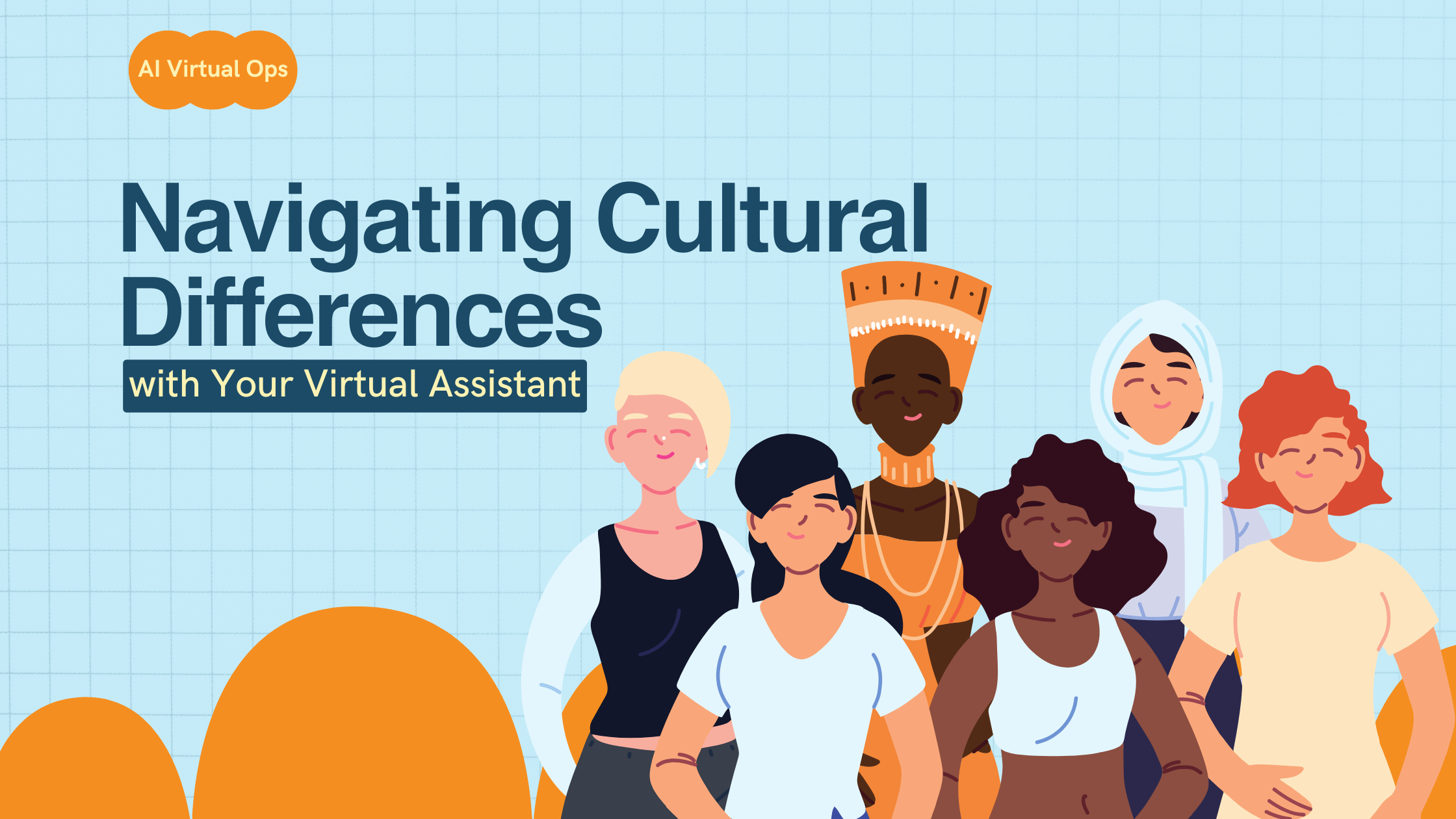
In the interconnected world we live in today, the boundaries of traditional work environments have dissolved, giving rise to a global workforce. Virtual assistants (VAs) from diverse cultural backgrounds have become an integral part of this global landscape. This trend has been fueled by the rapid advancements in technology, which have made remote work and collaboration possible on a global scale. As businesses seek to tap into the vast talent pool available around the world, they are increasingly turning to virtual assistants to complement their in-house teams.
The diversity of virtual assistants brings a wealth of perspectives, skills, and experiences to the table. Working with individuals from different cultures can lead to innovative solutions, enhanced creativity, and a broader understanding of global markets. However, navigating cultural differences can also present unique challenges. Misunderstandings, communication barriers, and differing expectations can arise if these differences are not addressed effectively.
To fully leverage the benefits of working with virtual assistants from diverse cultural backgrounds, it is essential to understand and appreciate the cultural nuances that may influence their communication style, work ethic, and values. By doing so, businesses can foster a more inclusive and productive work environment where everyone feels valued and respected.
Understanding Cultural Differences: A Cornerstone for Success
To foster effective collaboration with your VA, it's essential to acknowledge and appreciate the cultural nuances that may influence their communication style, work ethic, and values. This understanding can be achieved through:
- Recognizing Your Own Cultural Biases: Before you can effectively manage cultural differences, it's essential to understand your own cultural biases and values. Reflect on your cultural background and how it influences your communication style, work habits, and expectations. This self-awareness will help you appreciate the differences your VA brings to the table.
- Learning About Your VA's Culture: Take the time to learn about your VA's cultural background. Understanding their cultural norms, values, and communication styles can help you navigate potential misunderstandings. For instance, in some cultures, direct communication is valued, while in others, indirect communication is the norm. Being aware of these differences can prevent misinterpretations and foster a more inclusive working environment.
- Empathy and Respect: Approach interactions with empathy and respect, recognizing that cultural differences may lead to varying expectations or interpretations.
Effective Communication Strategies
Clear and effective communication is paramount when working with a VA from a different culture. Consider these strategies:
- Clear Expectations: Clearly articulate your expectations, providing specific instructions and deadlines. Use visual aids or examples to enhance understanding.
- Active Listening: Give your VA your full attention when they speak. Avoid interrupting and paraphrase their statements to ensure comprehension.
- Cultural Sensitivity: Be mindful of language nuances and avoid using idioms or slang that may be unfamiliar to your VA.
- Non-Verbal Cues: Pay attention to non-verbal communication, such as body language and facial expressions, as these can vary across cultures.
Adapting Management Styles for Effective Collaboration
When working with virtual assistants from diverse cultural backgrounds, it's essential to adapt your management style to accommodate their cultural preferences and expectations. This flexibility can foster a more inclusive and productive work environment.
1. Flexibility in Management Approach
Different cultures have distinct management and work styles. Some cultures value hierarchical structures, while others prefer a more collaborative approach. Understanding these differences is crucial for effective management.
- Hierarchical vs. Collaborative: If your VA comes from a hierarchical culture, they may expect clear lines of authority and formal communication. Conversely, those from more collaborative cultures may appreciate a flatter organizational structure and more open communication.
- Direct vs. Indirect Communication: Cultural differences can also influence communication styles. Some cultures value direct and explicit communication, while others prefer a more indirect and nuanced approach. Be mindful of these differences to avoid misunderstandings.
- Individualism vs. Collectivism: Understanding whether your VA comes from an individualistic or collectivist culture can impact how they approach work and relationships. Individualistic cultures prioritize personal achievement and autonomy, while collectivist cultures emphasize group harmony and loyalty.
By adapting your management style to align with your VA's cultural expectations, you can create a more comfortable and productive working environment. This flexibility can enhance your VA's motivation, engagement, and overall job satisfaction.
2. Embrace a Coaching and Mentoring Approach
Adopting a coaching and mentoring approach can foster growth, create a positive work environment, and bridge cultural gaps.
- Constructive Feedback: Provide regular feedback that is specific, actionable, and constructive. This can help your VA understand their performance and identify areas for improvement.
- Recognition and Appreciation: Acknowledge your VA's achievements and express gratitude for their contributions. This can boost morale and strengthen your working relationship.
- Professional Development: Support your VA's professional development by providing opportunities for training, mentorship, or additional responsibilities. This demonstrates your commitment to their growth and career advancement.
- Cultural Sensitivity: Be mindful of cultural differences when providing feedback or coaching. Avoid making assumptions or generalizations that may be offensive.
By embracing a coaching and mentoring approach, you can create a supportive and empowering environment where your VA can thrive. This can help build trust, strengthen your working relationship, and foster long-term success.
Fostering Inclusive Collaboration
Creating an inclusive and collaborative work environment is essential for success, especially when working with virtual assistants from diverse cultural backgrounds. By promoting cultural awareness, celebrating diversity, and facilitating cross-cultural learning, you can foster a positive and productive work environment.
1. Promote Cultural Awareness
Encouraging cultural awareness within your team can lead to a deeper understanding of different perspectives, values, and communication styles.
- Open Dialogue: Create a safe and welcoming space for team members to share their cultural experiences and perspectives. This can help break down stereotypes and foster a more inclusive atmosphere.
- Cultural Exchange: Organize cultural exchange activities, such as virtual potlucks or cultural presentations, to introduce team members to different traditions and customs.
- Cultural Training: Consider providing cultural training or workshops to educate your team members about cultural differences and how to effectively communicate and collaborate across cultures.
2. Celebrate Cultural Diversity
Recognizing and celebrating cultural holidays and traditions can foster a sense of belonging and unity within the team.
- Holiday Observances: Acknowledge and celebrate cultural holidays relevant to your team members. This can show your appreciation for their cultural background and create a more inclusive work environment.
- Cultural Celebrations: Organize team-building activities or events that celebrate cultural diversity. This can be a fun and engaging way to learn about different cultures and strengthen team bonds.
3. Facilitate Cross-Cultural Learning
Creating opportunities for cross-cultural learning and collaboration can help break down barriers and foster a more inclusive work environment.
- Group Projects: Assign group projects that require team members from different cultural backgrounds to work together. This can promote collaboration, problem-solving, and cultural exchange.
- Virtual Team-Building Activities: Organize virtual team-building activities that encourage interaction and communication among team members. This can help strengthen relationships and build trust.
- Mentorship Programs: Establish mentorship programs that pair team members from different cultural backgrounds. This can provide opportunities for learning, guidance, and support.
By fostering cultural awareness, celebrating diversity, and facilitating cross-cultural learning, you can create a more inclusive and productive work environment. This can lead to increased collaboration, innovation, and overall team satisfaction.
Overcoming Challenges in Cross-Cultural Collaboration
While working with virtual assistants from diverse cultural backgrounds can offer numerous benefits, it's important to be prepared to address potential challenges that may arise.
1. Addressing Misunderstandings
Misunderstandings are inevitable when working with people from different cultural backgrounds. It's essential to address them promptly and constructively.
- Open Communication: Encourage open and honest communication to prevent misunderstandings from escalating. Be willing to listen to your VA's perspective and ask clarifying questions.
- Active Listening: Practice active listening to ensure you fully understand your VA's message. Paraphrase their statements to confirm understanding.
- Empathy and Respect: Approach misunderstandings with empathy and respect. Avoid making assumptions or blaming others.
- Learning Opportunities: Use misunderstandings as opportunities to learn more about cultural differences and improve your communication skills.
2. Managing Time Zone Differences
Time zone differences can pose challenges in scheduling meetings and coordinating tasks. Effective time management strategies are essential.
- Clear Scheduling: Establish a clear schedule that accommodates both parties' time zones. Use tools like shared calendars and time zone converters to help visualize and manage time differences.
- Flexible Scheduling: Be flexible and willing to adjust your schedule to accommodate your VA's time zone. This demonstrates your commitment to the relationship.
- Asynchronous Communication: Utilize asynchronous communication tools, such as email and project management software, to facilitate communication outside of real-time meetings.
3. Building Trust
Building trust is crucial in any working relationship, especially in a remote setting.
- Reliability and Consistency: Demonstrate reliability and consistency in your actions and communication. Follow through on commitments and be responsive to your VA's needs.
- Transparency: Be transparent in your communication and share information openly. Avoid withholding information that could impact your VA's work.
- Empathy and Understanding: Show empathy and understanding towards your VA's cultural context and personal circumstances. This can help build trust and rapport.
- Respectful Collaboration: Treat your VA with respect and value their contributions. Foster a collaborative and supportive work environment.
By addressing misunderstandings, managing time zone differences effectively, and building trust, you can overcome challenges and create a successful and fulfilling working relationship with your virtual assistant.
Leveraging Cultural Differences for Success
Embracing cultural diversity can offer significant advantages for businesses. By harnessing diverse perspectives, enhancing customer relations, and expanding global reach, you can create a more competitive and successful organization.
1. Harnessing Diverse Perspectives
- Creativity and Innovation: Cultural diversity brings a wealth of perspectives and ideas to the table. Encourage your VA to share their unique insights and approaches to problem-solving. This can lead to more creative and innovative solutions.
- Cultural Sensitivity: A culturally diverse team can better understand and appreciate different perspectives. This can help prevent misunderstandings and foster a more inclusive and respectful work environment.
- Global Mindset: Working with individuals from different cultural backgrounds can broaden your team's global mindset. This can help you identify new opportunities and challenges in the global marketplace.
2. Enhancing Customer Relations
- Cultural Understanding: A culturally diverse team can better understand and cater to a global clientele. Your VA's cultural knowledge can help you tailor your products or services to different markets and avoid cultural faux pas.
- Customer Satisfaction: By providing culturally sensitive and relevant services, you can improve customer satisfaction and loyalty.
- Market Insights: Your VA's cultural insights can help you identify emerging trends and opportunities in different markets.
3. Expanding Global Reach
- Local Market Expertise: Your VA's knowledge of their local market can be invaluable for expanding your business into new territories. They can provide insights into cultural nuances, business practices, and market trends.
- Networking Opportunities: Your VA's local connections can help you build relationships with key players in their market, facilitating business growth and expansion.
- Cultural Navigation: Your VA can help you navigate cultural nuances in business dealings, ensuring that your interactions are respectful and effective.
By leveraging cultural differences, you can create a more competitive, innovative, and globally focused organization. Embracing diversity can lead to increased customer satisfaction, market expansion, and long-term success.
Conclusion
Navigating cultural differences with your virtual assistant requires a combination of cultural awareness, effective communication, adaptive management styles, inclusive collaboration, and continuous learning. By embracing these strategies, you can build a strong, productive, and harmonious working relationship with your VA, leveraging the rich diversity they bring to your team.
Remember, the key to successful cross-cultural collaboration lies in mutual respect, understanding, and a willingness to learn from each other. Embrace the journey of navigating cultural differences, and you’ll find that it not only enhances your working relationship but also enriches your professional and personal growth.