
Virtual Assistant to Operations Partner: 2026 Scaling Guide
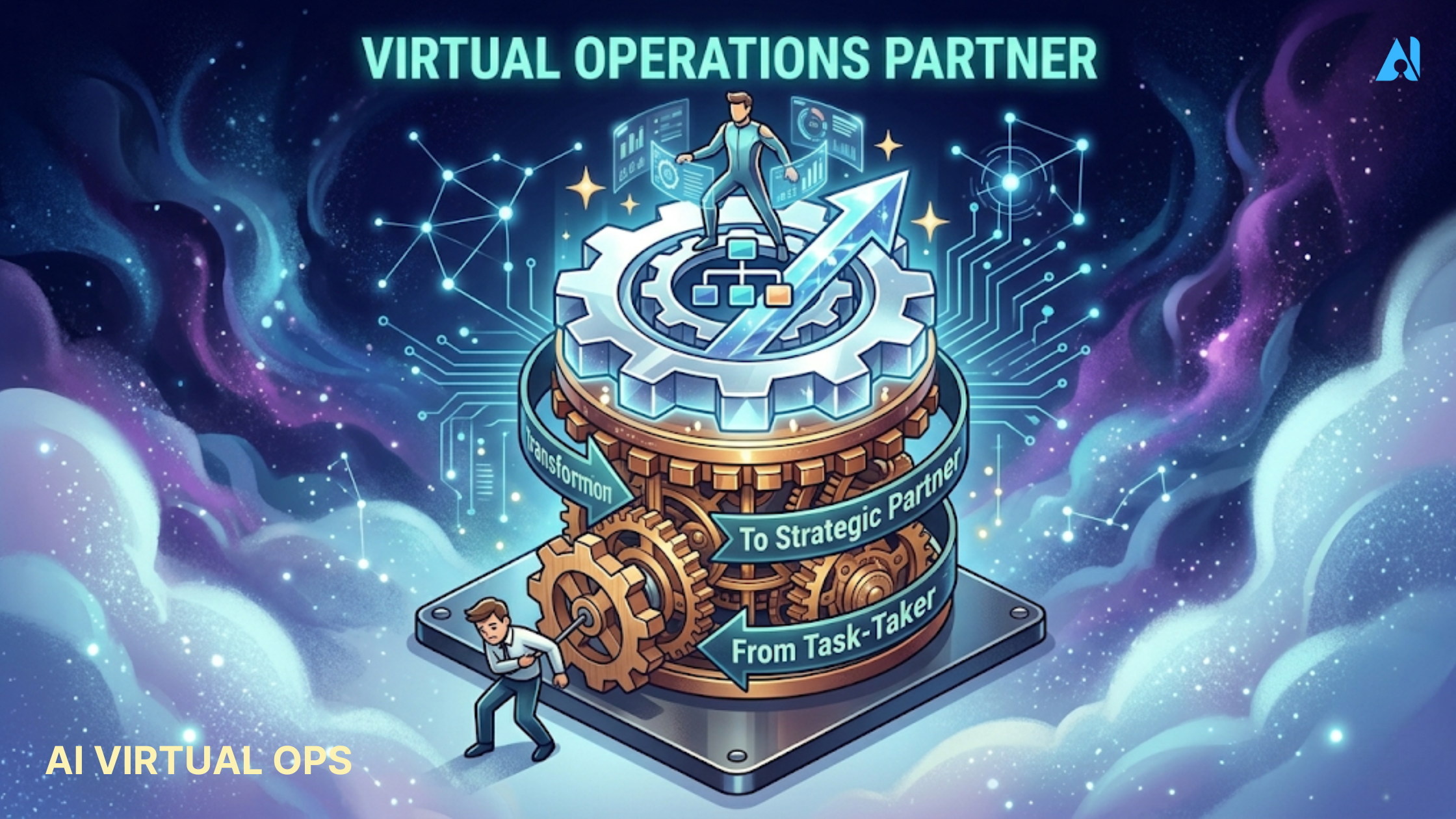
For years, the term "Virtual Assistant" (VA) conjured a specific image: a remote freelancer handling basic data entry, clearing out an overflowing inbox, or scheduling the occasional Zoom call. It was a transactional relationship—you gave a task, they gave a result.
But as we cross the threshold of 2026, the landscape has undergone a radical transformation. The "gig worker" of yesterday has evolved into the Virtual Operations Partner (VOP) of today.
For business owners, understanding this shift is no longer optional; it is the difference between a company that merely survives and one that scales with surgical precision.
The Evolution: Why "Assistant" No Longer Fits
The modern VOP is not just a pair of hands; they are a brain for your business. Driven by the integration of AI-augmented workflows and a global rise in specialized remote talent, the role has shifted from execution to optimization.
Proactive vs. Reactive: While an assistant waits for instructions, an Operations Partner looks at your CRM and says, "I noticed our lead response time dropped by 12% last week; I’ve drafted an automated follow-up sequence to fix it."
Systems Ownership: In 2026, VOPs are the architects of your "Standard Operating Procedures" (SOPs). They don't just use your tools; they build the workflows within them.
Specialization over Generalization: Data from 2025 and 2026 shows a surge in "Niche VAs." Business owners are no longer looking for "helpers," but for specialists in eCommerce operations, AI workflow implementation, or real-estate transaction coordination.
The Data Speaks: According to 2026 industry reports, businesses leveraging high-level virtual partners save up to 78% in operating costs compared to in-house hires, while seeing a 35% increase in output capacity without increasing headcount.
5 Ways to Celebrate and Empower Your Virtual Operations Partners
Transitioning to a partnership model requires a cultural shift. If you treat your virtual team like a line item on a budget, you will face the high costs of turnover. If you empower them as partners, you gain a competitive advantage.
Here are five proven strategies to increase retention and productivity in 2026:
1. Implement "Equity of Voice" in Strategy Sessions
Empowerment begins with a seat at the table. Instead of delivering a finished plan to your virtual team, invite them to the brainstorming phase.
The Example: During your quarterly planning, use "Silent Brainstorming" tools where your VOP can contribute ideas alongside your local team.
Why it works: Remote professionals often see the "leaks" in your operations that you are too busy to notice. When they see their suggestions implemented, their psychological ownership of the business skyrockets.
2. Invest in "Upskilling Allowances"
The 2026 workforce moves at the speed of AI. A Virtual Operations Partner is only as good as the tools they master.
The Example: Provide a $200–$500 annual "Growth Stipend" for them to take certifications in advanced automation, project management (like PMP), or specific software (like HubSpot or AI-prompt engineering).
The Data: 2026 Gallup research indicates that employees who feel their company invests in their professional development are 3.5x more likely to stay long-term.
3. Formalize "Asynchronous Appreciation"
Virtual team members often miss out on the "ambient celebration" of an office—the high-fives after a big sale or the cake in the breakroom.
The Example: Create a dedicated "Kudos" channel in Slack or Microsoft Teams. Use a "Live Team Timeline" where milestones (both professional and personal) are recorded.
The Impact: Public recognition in a digital space validates their hard work to the rest of the organization, bridging the "visibility gap" that often leads to remote burnout.
4. Designate "Process Ownership"
Stop micromanaging tasks and start delegating outcomes. A partner thrives when they own a system, not just a to-do list.
The Example: Instead of saying, "Send these five emails," tell your VOP, "You are now the owner of the Client Onboarding Journey. Your goal is to ensure every new client feels welcomed and has their first meeting booked within 24 hours."
The Result: This shift reduces "decision fatigue" for the business owner. When the VOP owns the process, they are empowered to troubleshoot and improve it autonomously.
5. Prioritize "Contextual Transparency"
One of the biggest productivity killers for virtual teams is a lack of context. If they don't know why a task matters, they can't prioritize effectively.
The Example: Record a quick 2-minute video (using Loom or similar) explaining the "Big Picture" goal of a project.
Why it works: When a VOP understands the "Why," they can make executive decisions on your behalf when you aren't available, keeping the momentum moving 24/7.
The Bottom Line for Business Owners
The global outsourcing market is projected to exceed $400 billion this year, and for good reason. We are no longer in an era where you can do it all yourself. The most successful founders in 2026 are those who stop viewing virtual support as a "temporary fix" and start viewing it as a "strategic foundation."
By celebrating and empowering your virtual team, you aren't just being "nice"—you are building a resilient, scalable machine that operates whether you are at your desk or halfway across the world.
Looking for a partner, not just a provider? Meet our team at AIVO.